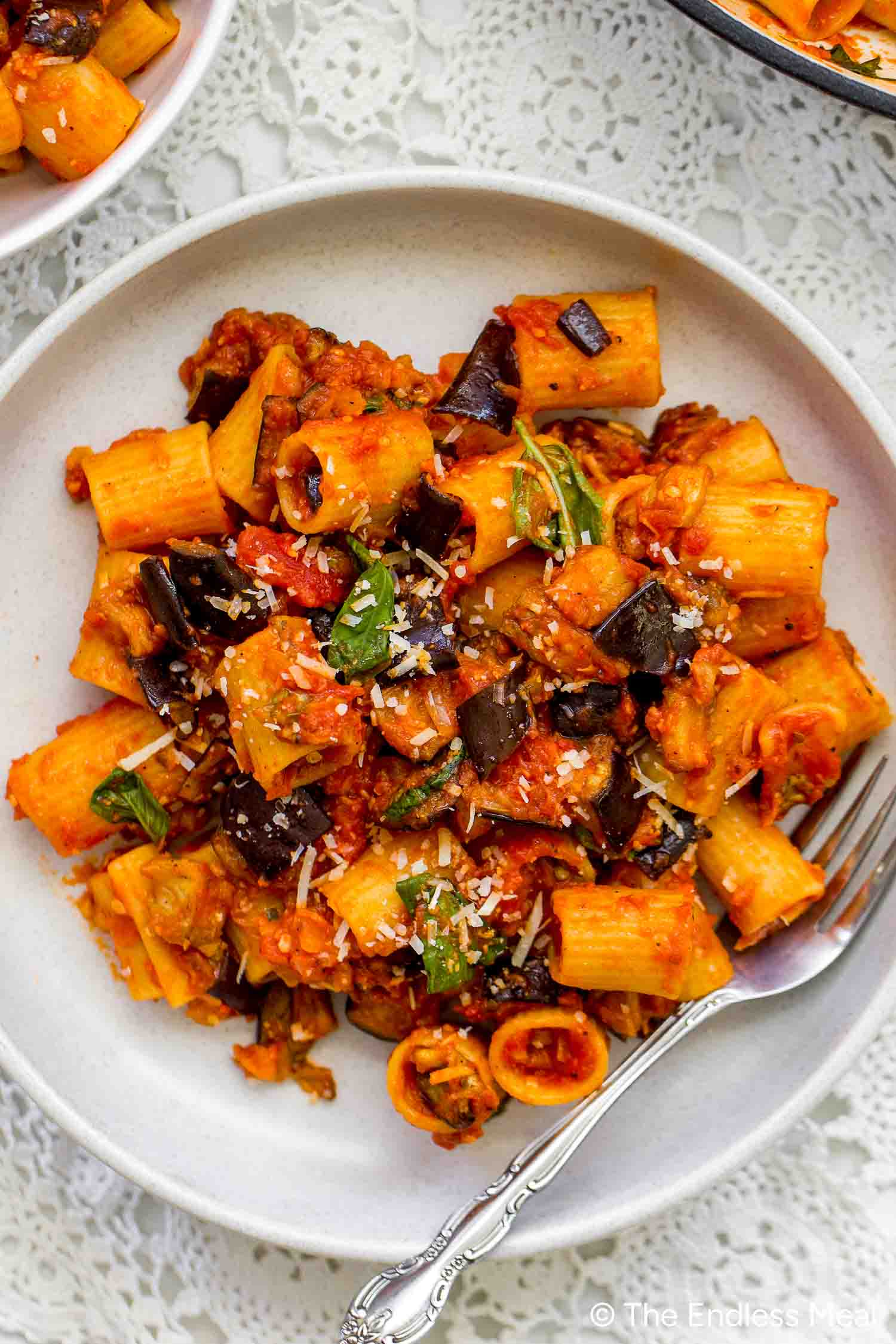
The Irresistible Charm of Eggplant Tomato Pasta: A Mediterranean Delight
There are few dishes that evoke the comforting embrace of home cooking quite like eggplant tomato pasta. This seemingly simple combination of garden-fresh ingredients transforms into a symphony of flavors and textures, making it a beloved staple in kitchens worldwide. Originating from the sun-drenched regions of the Mediterranean, particularly Italy, this dish is a testament to the power of fresh produce and straightforward culinary techniques. It’s a meal that satisfies on multiple levels: hearty yet light, deeply flavorful yet unpretentious, and endlessly adaptable to various tastes and dietary needs. Whether you're a seasoned chef or a novice in the kitchen, mastering the art of a great eggplant tomato pasta will undoubtedly become a treasured addition to your recipe repertoire.
Unlocking the Magic: Why Eggplant and Tomato Are a Perfect Pair
The culinary marriage of eggplant and tomato is a tale as old as time, and for good reason. Both ingredients bring distinct qualities to the table that complement each other exquisitely. Eggplant, with its porous texture, acts like a sponge, readily absorbing the rich, acidic notes of tomatoes and the savory aromatics of garlic and herbs. When cooked properly, eggplant transforms from firm and slightly bitter to incredibly tender, almost creamy, adding a luxurious mouthfeel to the dish. Tomatoes, on the other hand, provide a burst of sweetness and tang, creating a vibrant sauce that brightens every bite.
Historically, this pairing is deeply rooted in Mediterranean cuisine, where these vegetables thrive. Dishes like Pasta alla Norma from Sicily, a classic eggplant tomato pasta, exemplify this perfect synergy. The dish isn't just delicious; it's a celebration of seasonal ingredients, offering a taste of rustic elegance that transports you straight to a sun-drenched Italian piazza. The magic lies not just in their individual flavors, but in how they interact, creating a harmonious balance that is greater than the sum of its parts.
Crafting the Perfect Eggplant Tomato Pasta: Ingredient Selection and Preparation
The foundation of any great dish lies in the quality of its ingredients. For a truly memorable eggplant tomato pasta, thoughtful selection and preparation are key.
Selecting the Best Eggplant
Choosing the right eggplant is crucial. Look for eggplants that are firm, heavy for their size, and have smooth, shiny skin without blemishes or soft spots. The stem should be green and fresh-looking. While globe eggplants are common, consider varietals like Italian (slimmer, fewer seeds) or even Japanese eggplants (long, thin, less bitter) for different textures and flavors. Many recipes call for salting eggplant before cooking. This process, known as "sweating," draws out excess moisture and some bitter compounds, resulting in a more tender and less oily cooked eggplant. Simply slice or cube the eggplant, sprinkle generously with salt, let it sit for 30 minutes, then rinse thoroughly and pat dry before cooking.
Perfecting Your Tomatoes
The heart of your pasta sauce is the tomato. When in season, fresh, ripe tomatoes are unparalleled. Roma (plum) tomatoes are excellent for sauces due to their meaty texture and low water content. Heirloom varieties also offer incredible depth of flavor. If fresh tomatoes aren't available, high-quality canned tomatoes are your best friend. Look for whole peeled San Marzano tomatoes, known for their sweet flavor and balanced acidity, or crushed tomatoes for convenience. Good canned tomatoes can often outperform out-of-season fresh ones.
The Right Pasta Shape
The choice of pasta shape can significantly impact your eating experience. For a robust sauce like eggplant tomato pasta, you want a shape that can hold onto the sauce well. Rigatoni, penne, bucatini, and paccheri are excellent choices, as their ridges and tubes are perfect for capturing chunky eggplant and rich tomato sauce. Even a wider, flat pasta like pappardelle can work beautifully, offering a different textural experience.
Essential Aromatics and Herbs
Don't underestimate the power of aromatics. Garlic, finely minced or sliced, is a must-have, providing a foundational flavor. Onions (yellow or red) add sweetness and depth. For herbs, fresh basil is non-negotiable, adding a peppery, sweet aroma that complements tomatoes perfectly. Dried oregano or a pinch of red pepper flakes can introduce another layer of flavor and a touch of warmth. For more in-depth techniques on selecting and preparing your core ingredients to elevate your dish, consider delving into eggplant tomato pasta - Article 2.
Step-by-Step Guide to a Flawless Eggplant Tomato Pasta
Now, let's bring it all together. This classic recipe is approachable, but a few key steps ensure a truly delicious result.
- Prep the Eggplant: If salting, do this first. Once rinsed and patted dry, the eggplant can be pan-fried, baked, or roasted until golden brown and tender. Frying in olive oil yields a rich, crispy exterior, while baking or roasting offers a lighter touch. Aim for a slightly browned, cooked-through eggplant. Set aside.
- Build the Sauce Base: In a large skillet or Dutch oven, heat olive oil over medium heat. Sauté minced garlic and diced onion until softened and fragrant (about 5-7 minutes). If using, add red pepper flakes.
- Add Tomatoes and Simmer: Pour in your chosen tomatoes (crushed, diced, or whole peeled and crushed by hand). Season with salt, pepper, and dried oregano. Bring the sauce to a gentle simmer, then reduce heat to low, cover, and let it cook for at least 20-30 minutes, or longer for deeper flavor. The longer it simmers, the more the flavors meld.
- Cook the Pasta: While the sauce simmers, bring a large pot of salted water to a rolling boil. Add your chosen pasta and cook according to package directions until al dente – firm to the bite. Before draining, reserve about a cup of the starchy pasta water.
- Combine and Finish: Add the cooked eggplant to the tomato sauce and stir gently. Drain the pasta and add it directly to the sauce. Toss everything together vigorously, adding splashes of reserved pasta water as needed to create a glossy, cohesive sauce that clings beautifully to the pasta.
- Garnish and Serve: Stir in a generous handful of fresh basil leaves, torn or chopped. Serve immediately, topped with grated Pecorino Romano or Parmesan cheese. A drizzle of good quality extra virgin olive oil before serving adds a final flourish.
Elevating Your Eggplant Tomato Pasta: Tips, Variations, and Pairings
While the classic eggplant tomato pasta is perfect on its own, there are countless ways to customize and enhance this versatile dish.
Flavor Boosters and Variations
- Cheese Power: Beyond Parmesan or Pecorino, consider a dollop of fresh ricotta stirred in at the end for creaminess, or a sprinkle of smoked mozzarella for a unique twist.
- Spice It Up: A pinch more red pepper flakes can add a delightful kick. For a smoky depth, try a touch of smoked paprika.
- Other Vegetables: Bell peppers, zucchini, or even mushrooms can be sautéed alongside the eggplant to add more texture and nutrients.
- Olives and Capers: A handful of pitted Kalamata olives or briny capers can introduce a wonderful salty, tangy element, reminiscent of puttanesca.
- Meat Options: While traditionally vegetarian, some might enjoy adding browned Italian sausage or ground beef for a heartier meal.
Making it Your Own: Dietary Adaptations
One of the beauties of eggplant tomato pasta is its inherent flexibility. It's naturally vegan if you omit the cheese, making it a fantastic plant-based meal. For those avoiding gluten, simply swap out traditional pasta for your favorite gluten-free variety. The robust sauce holds up incredibly well to different pasta textures.
Perfect Pairings
To complete your meal, consider pairing your eggplant tomato pasta with a fresh, crisp green salad dressed with a simple vinaigrette. A light, crusty bread is perfect for soaking up any leftover sauce. For wine, a medium-bodied red like a Chianti, Sangiovese, or Montepulciano complements the rich tomato and eggplant beautifully. If you prefer white, a dry rosé or a crisp Pinot Grigio would also be an excellent choice. To dive into more advanced cooking techniques and discover innovative twists, explore eggplant tomato pasta - Article 3.
Conclusion
From its humble origins to its status as a beloved comfort food, eggplant tomato pasta embodies the essence of wholesome, flavorful cooking. It���s a dish that celebrates the bounty of nature, transforming simple vegetables into a sophisticated and deeply satisfying meal. By understanding the core ingredients, mastering a few key techniques, and daring to experiment with variations, you can create a version that is uniquely yours. So, gather your ingredients, fire up your stove, and prepare to indulge in the timeless pleasure of this Mediterranean masterpiece.
